
LT3102 is a polyurethane integral skin foam system mainly formulated with polyether polyol, polyester polyol, polymer polyol, chain extender, foam stabilizer, catalyst, and blowing agent.
This system is designed to produce molded integral skin foam products with a smooth, dense, and bubble-free surface layer.
Isocyanate Component
Isocyanate: Modified Isocyanate
Applications & Key Features
LT3102 is a polyurethane integral skin foam material, also known as self-skinning polyurethane foam. Its key characteristic is the formation of a smooth, high-density, bubble-free outer skin combined with a resilient foam core.
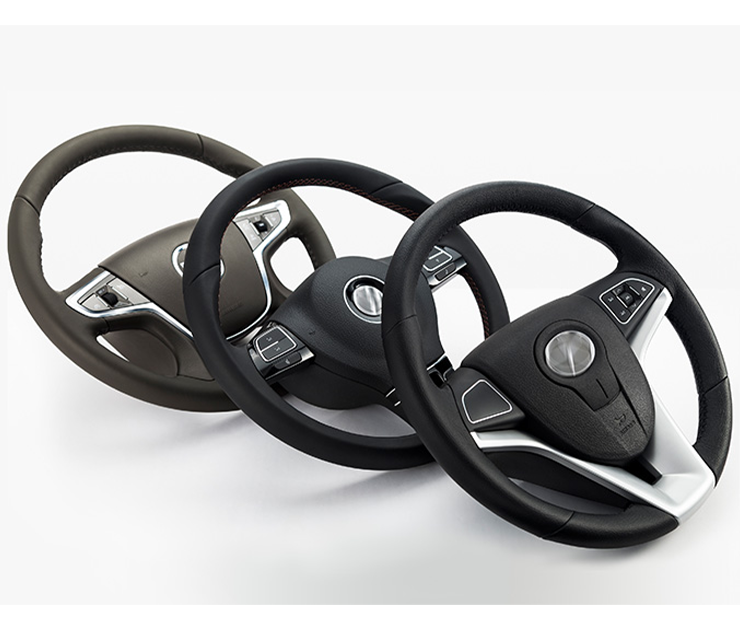
Typical applications include automotive steering wheels, instrument panels and dashboards, automotive bumpers, seat armrests, automotive side panels and spoilers, instrument housings
sports equipment, and furniture components.
According to overall density and application requirements, polyurethane integral skin foams can be generally classified into four categories:
Low-density flexible integral skin foam – density: 200–300 kg/m³
Medium-density semi-rigid integral skin foam (microporous elastomer) – density: 400–600 kg/m³
High-density semi-rigid integral skin foam – density: 700–1000 kg/m³
High-density rigid integral skin molded foam – density: > 1000 kg/m³
Control Tests
The main testing parameters include reaction characteristics such as cream time and fiber time, and the core density of the free-rise foam.
Test Method: 120g of total material at 25°C is poured into a 500ml plastic cup to observe reaction behavior.
| Parameter | Value |
| Agitator Speed (rpm) | 1000–2000 |
| Agitator Diameter (mm) | 50 |
| Mixing Time (s) | 6–10 |
|
Notes: After mixing, pour the mixed ingredients into a new cup. |
Reaction Results
| Test Item | Reference Range | Unit | Test Result |
| Cream Time | 15–30 | s | 22 |
| Fiber Time | 50–90 | s | 68 |
| Tack-Free Time | 55–100 | s | 72 |
| Free-Rise Density | 80–1000 | kg/m³ | 100 |
Notes: Test temperature: 25°C, and mixing ratio P: I = 100:40 (P= LT3102, I = Modified Isocyanate)
Typical Foam Properties (Steering Wheel Grade as Reference)
| Property | Typical Value |
| Overall Density | 300–600 kg/m³ |
| Skin Hardness (Shore A) | 38–75 |
| Skin Tear Strength | 3.8–8.5 kN/m |
| Foam Tensile Strength | 0.3–1.2 MPa |
Laboratory Test Data
| Test Item | Polyether Polyol | Modified Isocyanate | Standard |
| Density (25°C) | 1.02 ± 0.05 g/cm³ | 1.2 ± 0.05 g/cm³ | GB/T 15223-2008 |
| Viscosity (25°C) | 1000 ± 200 cps | 210 ± 40 cps | GB/T 12008.7-2010 |
Packaging & Storage
| Component | Packaging | Storage Temp | Shelf Life |
| Polyether Polyol | 210 kg / drum | 15–35°C | 3 months |
| Modified Isocyanate | 230 kg / drum | 15–35°C | 3 months |
Both components are supplied separately in metal drums. Store in sealed metal drums in a cool, dry, and ventilated area. Avoid direct sunlight or moisture exposure.
Processing Requirements
| Parameter | Specification |
| Raw Material Temperature | 20–35°C |
| Demolding Time | Depends on product size |
| Machine Type | High-pressure or low-pressure PU foaming machine |
Reviews
There are no reviews yet.